Comparing Gas and Electric Boilers: Which Is Best for You?
When it comes to choosing a new boiler, the vast majority of UK homeowners default to gas without giving it a second thought. But electric boilers have quietly become a more practical option for certain property types – and for some households, the comparison is worth making properly.

Why you can trust our content
We understand that the boiler industry can be confusing, with plenty of outdated or misleading information. That’s why we rely only on trusted, proven sources to guide our advice and installations:


At a glance
This guide looks honestly at both systems, covering how each works, which types of home each suits best and what the practical differences look like day to day. Whether you are replacing an existing boiler or thinking about heating for a newly acquired property, understanding the distinction will help you make the right cal
If you are unsure which system is the best fit for your home, speak to an installer at Plumbwise for tailored guidance.
How Does a Gas Boiler Work?
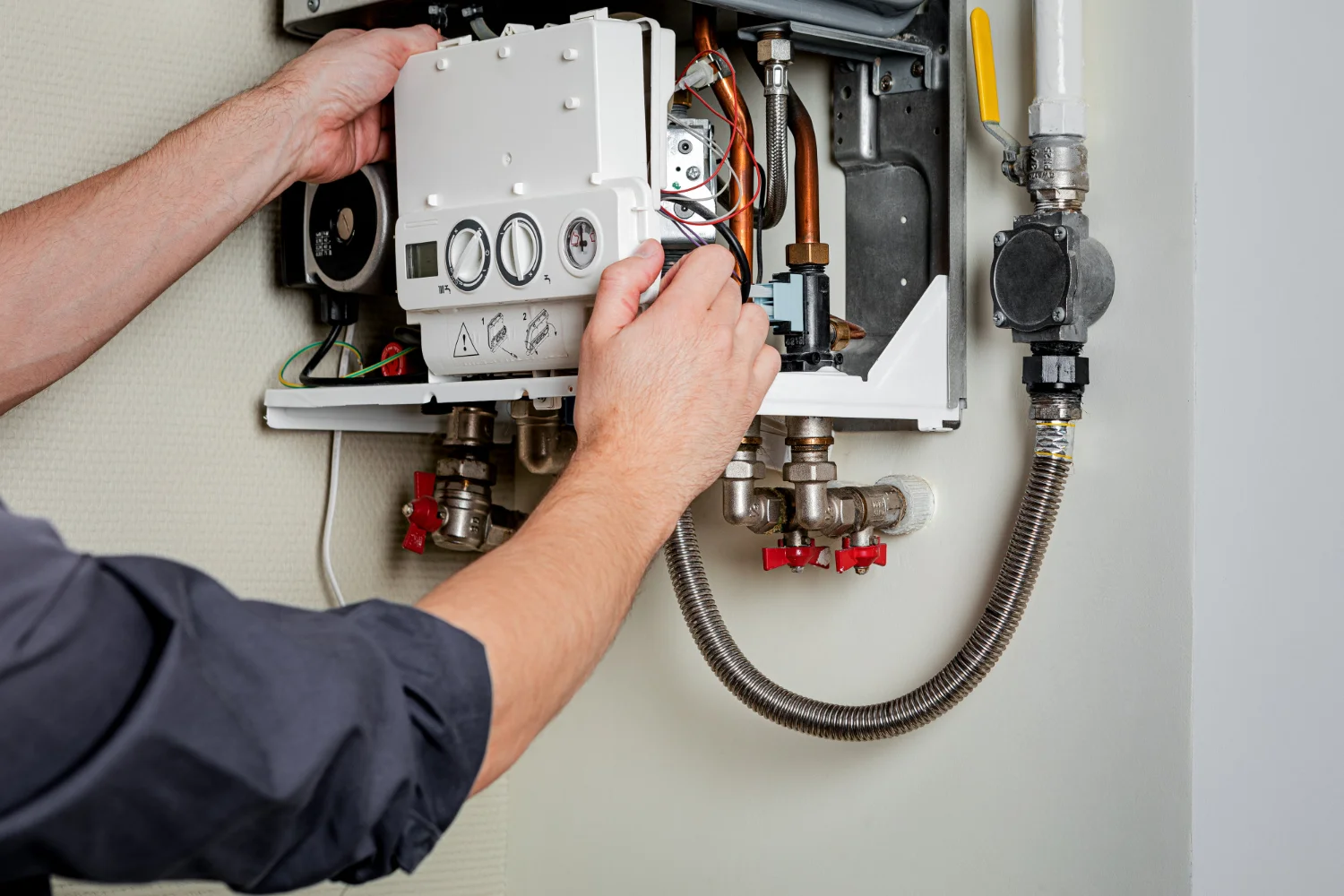
A gas boiler burns natural gas to heat water, which is then circulated through radiators and to your hot water outlets. Modern condensing gas boilers are highly efficient, recovering heat from exhaust gases that older units would simply waste through the flue.
Gas boilers are available in three formats – combi, system and regular – making them versatile enough for a wide range of property types and hot water demands. Because the UK mains gas network covers the vast majority of urban and suburban areas, gas remains the most widely accessible fuel source for central heating. For homes in Loughton and across the wider North and East London corridor, mains gas is the norm.
A Gas Safe registered engineer must carry out all gas boiler installation and servicing work – this is a legal requirement, not simply best practice.
How Does an Electric Boiler Work?
An electric boiler uses an electric element to heat water rather than burning a fuel. There is no flue required, no gas connection and no combustion. The heated water then circulates through the same radiator and hot water system as a conventional boiler.
Electric boilers are compact, quiet and relatively straightforward to fit. Because they produce no emissions at the point of use, they are often considered a cleaner option – though the overall environmental picture depends on where the electricity that powers them comes from.
The main practical consideration for electric boilers is running cost. Electricity typically costs more per unit than mains gas, which means heating a larger home with an electric boiler can be more expensive to run over the course of a year.
What Are the Key Differences Between the Two?
|
Feature |
Gas Boiler |
Electric Boiler |
|
Fuel source |
Mains gas |
Mains electricity |
|
Flue required |
Yes |
No |
|
Best suited to |
Most UK homes on the gas network |
Smaller properties, flats, off-gas homes |
|
Running cost profile |
Generally lower per unit |
Higher per unit, though usage varies |
|
Installation complexity |
Moderate – Gas Safe engineer required |
Straightforward – no flue or gas work |
|
Emissions at point of use |
Produces combustion gases |
None at point of use |
|
Maintenance requirements |
Annual Gas Safe service required |
Simpler servicing needs |
|
Typical property type |
Houses, family homes, larger flats |
Studios, small flats, holiday properties |
What type of boiler do you currently have?

Combi Boiler

Regular Boiler

System Boiler

Back Boiler
It just takes 60 Seconds
And then you can book a free consultation
Which Is Better for Your Running Costs?
This is where the decision often comes down for most homeowners. Gas remains cheaper per unit of energy than electricity across the UK, which means that for a typical family home, a gas boiler will generally cost less to run on an ongoing basis.
However, the picture is not entirely one-sided. An electric boiler has no standing charge related to a gas supply and can be more cost-effective for properties with very low heating demand – a small flat, a studio or a holiday cottage used occasionally rather than year-round. For these property types, the lower per-unit cost of gas may not outweigh the benefit of a simpler, lower-maintenance electric system.
The key is to think about how much heating your property genuinely requires, not simply which fuel type appears cheapest in isolation.
If you would like an honest assessment of which system suits your home and usage pattern, request a boiler installation quote from the Plumbwise team.
Is a Gas Boiler Installation Always the Right Default?
For most homes connected to the mains gas network, a gas boiler installation remains the most practical and cost-effective choice. The infrastructure is already in place, the range of boiler types and brands is broader and the running costs are typically lower for medium to large properties.
That said, there are situations where an electric boiler makes genuine sense:
- Flats without a suitable external wall for a flue – An electric boiler removes the flue requirement entirely
- Properties off the gas network – Where connecting to the mains is not viable
- Very low heating demand – A small property where gas standing charges and maintenance costs tip the balance
For homes in Loughton and the surrounding Essex and North London area, most properties will be on the gas network and well suited to a gas boiler. However, it is always worth confirming this with a professional assessment before committing.
Both gas and electric boilers have their place, and the right choice depends on your property type, your gas network access and how much heating demand you have day to day. For the majority of homes across North and East London, a gas boiler installation remains the most practical route – but electric options are genuinely worth considering for smaller properties and those without a suitable flue position.
Plumbwise are Loughton’s local heating specialists, helping homeowners across the area find the right boiler for their home. Whether you are leaning towards a gas combi boiler or want to explore whether an electric alternative suits your property, the team will give you straightforward, honest advice. Contact Plumbwise today to book an assessment or get a new boiler installation quote.
Related articles
What type of boiler do you currently have?
Combi Boiler
Regular Boiler
System Boiler
Back Boiler
At a glance
This guide looks honestly at both systems, covering how each works, which types of home each suits best and what the practical differences look like day to day. Whether you are replacing an existing boiler or thinking about heating for a newly acquired property, understanding the distinction will help you make the right cal
If you are unsure which system is the best fit for your home, speak to an installer at Plumbwise for tailored guidance.
How Does a Gas Boiler Work?
A gas boiler burns natural gas to heat water, which is then circulated through radiators and to your hot water outlets. Modern condensing gas boilers are highly efficient, recovering heat from exhaust gases that older units would simply waste through the flue.
Gas boilers are available in three formats – combi, system and regular – making them versatile enough for a wide range of property types and hot water demands. Because the UK mains gas network covers the vast majority of urban and suburban areas, gas remains the most widely accessible fuel source for central heating. For homes in Loughton and across the wider North and East London corridor, mains gas is the norm.
A Gas Safe registered engineer must carry out all gas boiler installation and servicing work – this is a legal requirement, not simply best practice.
How Does an Electric Boiler Work?
An electric boiler uses an electric element to heat water rather than burning a fuel. There is no flue required, no gas connection and no combustion. The heated water then circulates through the same radiator and hot water system as a conventional boiler.
Electric boilers are compact, quiet and relatively straightforward to fit. Because they produce no emissions at the point of use, they are often considered a cleaner option – though the overall environmental picture depends on where the electricity that powers them comes from.
The main practical consideration for electric boilers is running cost. Electricity typically costs more per unit than mains gas, which means heating a larger home with an electric boiler can be more expensive to run over the course of a year.
What Are the Key Differences Between the Two?
|
Feature |
Gas Boiler |
Electric Boiler |
|
Fuel source |
Mains gas |
Mains electricity |
|
Flue required |
Yes |
No |
|
Best suited to |
Most UK homes on the gas network |
Smaller properties, flats, off-gas homes |
|
Running cost profile |
Generally lower per unit |
Higher per unit, though usage varies |
|
Installation complexity |
Moderate – Gas Safe engineer required |
Straightforward – no flue or gas work |
|
Emissions at point of use |
Produces combustion gases |
None at point of use |
|
Maintenance requirements |
Annual Gas Safe service required |
Simpler servicing needs |
|
Typical property type |
Houses, family homes, larger flats |
Studios, small flats, holiday properties |
What type of boiler do you currently have?
Combi Boiler
Regular Boiler
System Boiler
Back Boiler
It just takes 60 Seconds
And then you can book a free consultation
Which Is Better for Your Running Costs?
This is where the decision often comes down for most homeowners. Gas remains cheaper per unit of energy than electricity across the UK, which means that for a typical family home, a gas boiler will generally cost less to run on an ongoing basis.
However, the picture is not entirely one-sided. An electric boiler has no standing charge related to a gas supply and can be more cost-effective for properties with very low heating demand – a small flat, a studio or a holiday cottage used occasionally rather than year-round. For these property types, the lower per-unit cost of gas may not outweigh the benefit of a simpler, lower-maintenance electric system.
The key is to think about how much heating your property genuinely requires, not simply which fuel type appears cheapest in isolation.
If you would like an honest assessment of which system suits your home and usage pattern, request a boiler installation quote from the Plumbwise team.
Is a Gas Boiler Installation Always the Right Default?
For most homes connected to the mains gas network, a gas boiler installation remains the most practical and cost-effective choice. The infrastructure is already in place, the range of boiler types and brands is broader and the running costs are typically lower for medium to large properties.
That said, there are situations where an electric boiler makes genuine sense:
- Flats without a suitable external wall for a flue – An electric boiler removes the flue requirement entirely
- Properties off the gas network – Where connecting to the mains is not viable
- Very low heating demand – A small property where gas standing charges and maintenance costs tip the balance
For homes in Loughton and the surrounding Essex and North London area, most properties will be on the gas network and well suited to a gas boiler. However, it is always worth confirming this with a professional assessment before committing.
Both gas and electric boilers have their place, and the right choice depends on your property type, your gas network access and how much heating demand you have day to day. For the majority of homes across North and East London, a gas boiler installation remains the most practical route – but electric options are genuinely worth considering for smaller properties and those without a suitable flue position.
Plumbwise are Loughton’s local heating specialists, helping homeowners across the area find the right boiler for their home. Whether you are leaning towards a gas combi boiler or want to explore whether an electric alternative suits your property, the team will give you straightforward, honest advice. Contact Plumbwise today to book an assessment or get a new boiler installation quote.
Related articles
What type of boiler do you currently have?
Combi Boiler
Regular Boiler
System Boiler
Back Boiler